

Ketamine Troches


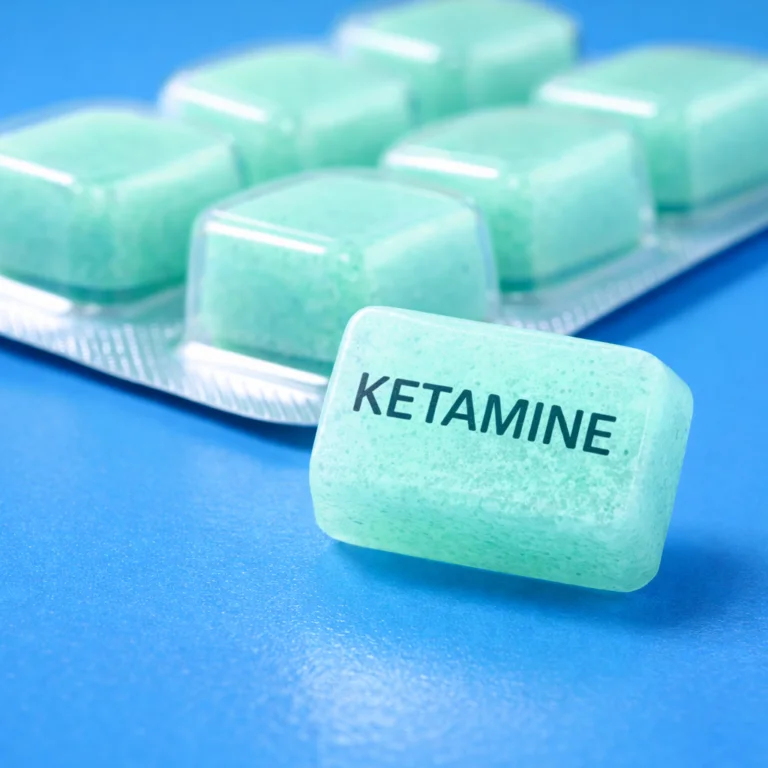
ketamine troche are compounded sublingual lozenges designed for controlled absorption through the oral tissues. A https://chemiderm.com/?post_type=product&p=7724&preview=true provides a convenient alternative delivery method within medically supervised therapy programs. Many people researching treatment options explore troche ketamine, including information about ketamine troche dose and potential benefits for certain conditions. Learn how treatment programs work and how patients safely buy ketamine online through licensed medical providers and pharmacies. ketamine Troches
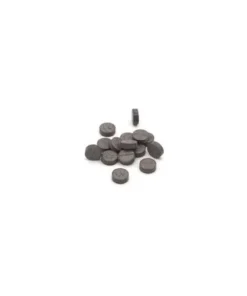
Ketamine troches are small, lozenge-like medicated discs that dissolve slowly inside the mouth, serving as an at-home prescription option for treatment-resistant depression, PTSD, chronic pain, and severe anxiety. They are custom-made by specialized compounding pharmacies to deliver a steady, contro ketamine troches
Delivery and Placement
- Sublingual vs. Buccal: Troches are placed directly under the tongue (sublingual) or tucked between the cheek and gums (buccal).
- Dissolving Time: They have a wax or gelatin-like consistency and take roughly 15 to 30 minutes to melt completely.
- Direct Absorption: The medication passes through the oral lining straight into the bloodstream, bypassing the digestive system to achieve a 24% to 32% absorption rate.
- The “Hold and Spit” Rule: Patients are usually instructed to hold the dissolved liquid and saliva in their mouth for 12 to 15 minutes before spitting it out. Swallowing it increases side effects like severe nausea and grogginess without adding therapeutic value. ketamine Troches
Medical Advantages and Benefits
- At-Home Convenience: Unlike intravenous (IV) infusions or Esketamine nasal sprays (Spravato), troches are self-administered at home under telehealth or remote clinical supervision.
- Affordable Maintenance: They are highly cost-effective, typically costing between $75 and $150 per month for the medication itself, compared to hundreds or thousands of dollars per in-office clinic session.
- Gentler Onset: The psychological transition is gradual, making the experience less intense and overwhelming than rapid-acting IV or intramuscular injections.
- Neuroplasticity Support: They stimulate glutamate pathways in the brain to help rebuild damaged neural connections associated with chronic stress and depression.
Troches vs. Standard Lozenges
While people use the terms interchangeably, they have structural differences:
- Texture: Troches have a softer, slightly rubbery, or waxy texture (often made of polyethylene glycol or gelatin) designed specifically to adhere to the gums. Standard oral lozenges are typically hard and candy-like.
- Flavor Profiles: Because raw ketamine has a bitter, intense chemical taste, compounding pharmacies must use strong flavoring agents (like mint, citrus, or berry) to make troches tolerable to hold in the mouth.
Side Effects and At-Home Safety
Because troches alter perception and cognitive function, they require a strict safety protocol:
- Immediate Effects: Triggers mild dissociation, a floating sensation, temporary physical numbness, blurred vision, dizziness, and elevated blood pressure.
- Chaperone Requirement: Reputable prescribing protocols require patients to have a sober “mindset sitter” or adult chaperone present at home during the session.
- Activity Restrictions: Patients must not drive, operate machinery, or make major decisions for at least 4 to 6 hours after the troche dissolves.
If you are evaluating this treatment path, let me know if you would like information on how to find a compounding pharmacy, what a typical at-home session looks like, or how to prepare your environment for safety.
ketamin, ketamin wirkung, ketamine, ketamine ketamine, was ist ketamin, ketamin nebenwirkungen,ketamin droge, ketamin preis, elon musk ketamine, ketamin medikament, ketamin was ist das, ketamine hole, jan josef liefers, ketaminketamin nebenwirkung, ketamin dosierung, nebenwirkung von ketamin, ketamine therapy, ketamines effect, ketamine what, what is in ketamine, ketamines, ketamin-narkose, ketamin abhängigkeitspotenzial, ketamin rauchen, ketamin königin, ketamin wirkstoff, ketamine side effect,was ist ketamin und wie wirkt es ketamine Troches, ketamine Troches
Be the first to review “Ketamine Troches”
Related products


DISSOCIATIVES
Price range: 30.000,00 $ through 55.000,00 $

DISSOCIATIVES
Price range: 120,00 $ through 1.050,00 $


DISSOCIATIVES
Price range: 336,00 $ through 6.316,00 $
DISSOCIATIVES
Price range: 27,00 $ through 33.000,00 $


DISSOCIATIVES
Price range: 20.000,00 $ through 80.000,00 $
DISSOCIATIVES
Price range: 16,00 $ through 72,00 $
DISSOCIATIVES
Price range: 300,00 $ through 45.000,00 $

DISSOCIATIVES
Price range: 130,00 $ through 4.500,00 $
Reviews
There are no reviews yet.